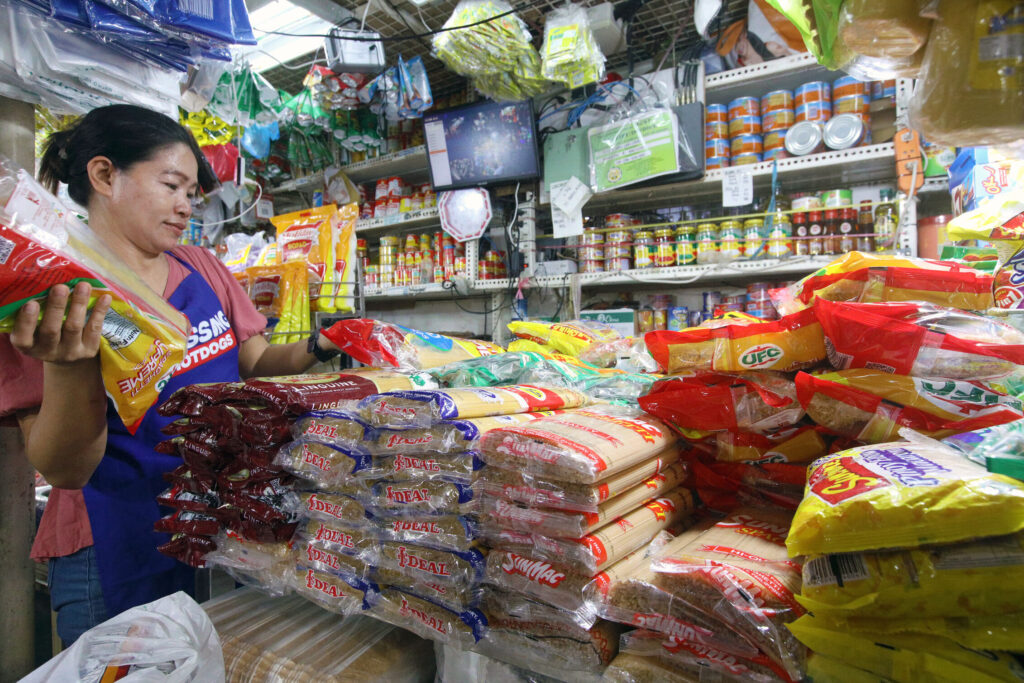
Shopping has become easier than ever. With physical stores, supermarkets, shopping malls, online marketplaces, and social commerce platforms, Filipino consumers now have more choices when buying products and services.
But having more options also means having to make more decisions.
A low price does not always mean a good deal, while a popular product is not necessarily the right choice for every household. Smart shopping is about understanding what you are buying and making a decision based on your needs, budget, and the product’s value.
Here are practical ways Filipino consumers can make better purchasing decisions.
1. Know What You Actually Need
Before making a purchase, start by identifying what you actually need.
It can be tempting to buy something simply because it is on sale or because it is trending online. However, a discounted product is not necessarily a good deal if you do not need it.
Making a simple shopping list can help prevent impulse purchases, especially when buying groceries and household essentials.
For larger purchases, consider asking yourself how often you will use the product and whether you already own something that serves the same purpose.
2. Compare Prices Before Buying
Prices can vary between stores and platforms. Before purchasing a product, take a few minutes to compare prices from different sellers.
This is particularly useful when buying appliances, electronics, furniture, and other higher-value items.
However, consumers should look beyond the advertised price. Consider delivery fees, service charges, installation costs, and other additional expenses that may affect the final amount you pay.
The cheapest listed price may not always be the cheapest overall option.
3. Check Product Information
Reading the product label or description is an important part of smart shopping.
For food products, consumers may want to check the ingredients, expiration date, nutritional information, and other details. For appliances and electronics, specifications, energy consumption, warranty coverage, and compatibility may be important considerations.
Taking time to understand these details can help you choose a product that is appropriate for your household.
4. Be Careful With Online Shopping
Online shopping provides convenience, but it also requires consumers to be more careful.
Before buying, check the seller’s information, product reviews, return policies, and other available details. Be cautious of offers that appear too good to be true.
Consumers should also avoid sharing unnecessary personal information and should use secure payment methods whenever possible.
When shopping through online marketplaces, it is also helpful to keep screenshots or records of the product listing, payment confirmation, and communication with the seller.
5. Understand Warranties and Return Policies
For more expensive purchases, understanding the warranty can be just as important as comparing prices.
Before buying an appliance, gadget, or other major product, check what the warranty covers and how long it is valid.
Consumers should also understand the seller’s return, replacement, or refund policies. Knowing these details before completing a purchase can help avoid confusion if a problem occurs later.
6. Keep Your Receipts and Proof of Purchase
Receipts, invoices, order confirmations, and other proof of purchase can be important if you need to make a complaint, request a replacement, or use a warranty.
For online purchases, save digital receipts and screenshots of important transaction details.
Keeping these records is a simple habit that can make it easier to resolve problems with a product or service.
7. Know Your Consumer Rights
Being a smart consumer also means knowing your rights.
The Philippine government has laws and agencies designed to protect consumers from unfair or deceptive business practices. Understanding basic consumer protection principles can help buyers become more confident when dealing with businesses.
Consumers who encounter problems should also know where to seek assistance and how to properly document their concerns.
8. Think About Long-Term Value
A smart purchase is not always the product with the lowest price.
Sometimes, spending a little more on a durable product can be more practical than repeatedly replacing a cheaper item.
When comparing products, think about quality, durability, maintenance, repair costs, and how long you expect to use the item.
This approach can help households make purchasing decisions based on long-term value rather than price alone.
9. Avoid Buying Under Pressure
Limited-time promotions and countdown deals can create a sense of urgency. While some discounts may be legitimate, consumers should still take time to think before making a purchase.
Ask yourself whether you genuinely need the product and whether the price is actually a good value.
Taking a few minutes to pause and compare options can help prevent unnecessary spending.
Final Thoughts
Smart shopping is about more than finding the cheapest product. It is about becoming a more informed consumer.
For Filipino households, practical buying habits—such as comparing prices, checking product information, understanding warranties, keeping receipts, and knowing consumer rights—can make everyday shopping decisions easier and more responsible.
Whether shopping in a physical store or online, taking a little extra time to research before buying can help consumers get better value for their money.
In the end, the smartest purchase is one that meets your needs, fits your budget, and provides value long after the transaction is complete.