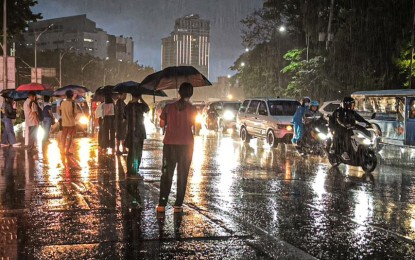
When the weather forecast starts warning about heavy rain, many Filipino households immediately think about umbrellas, groceries, and emergency supplies. But preparing for the rainy season is not just about buying more things—it is about knowing what your family actually needs before the rain arrives.
From keeping food supplies ready to protecting your gadgets and important documents, a little preparation can save you money, time, and stress.
Start With the Essentials
Before going to the supermarket, check what you already have at home. You may already have enough supplies and only need to replace a few missing items.
For most households, the basics include:
- Drinking water
- Rice and other easy-to-prepare food
- Canned or shelf-stable goods
- Flashlights
- Batteries
- Power banks
- First-aid supplies
- Cleaning materials
- Umbrellas and raincoats
Making a checklist first can also help prevent panic buying, especially when bad weather is expected.
Keep Food and Water Ready
Heavy rain can make travel difficult, particularly in areas that are prone to flooding. Having enough food and drinking water at home means you may not need to rush outside during bad weather.
Choose food that your family normally eats and that can be stored safely. Check expiration dates and avoid buying more than you can reasonably consume.
For water, keep drinking water in clean, properly covered containers.
Protect Your Gadgets and Important Documents
Your phone may become one of your most useful tools during severe weather, especially for receiving updates and communicating with family members.
Keep phones, chargers, power banks, and other electronics fully charged before the weather worsens.
Important documents should also be protected from water. Place them in waterproof envelopes, sealed plastic bags, or containers that can keep moisture out.
Don’t Forget Simple Rainy-Day Items
Some of the most useful things during heavy rain are also the simplest.
Keep umbrellas, raincoats, waterproof bags, towels, slippers or appropriate footwear, and plastic storage bags within easy reach.
If someone in your household regularly commutes, having an extra raincoat or umbrella at home can save you from making an unnecessary trip to the store in the middle of a downpour.
Prepare for Possible Power Interruptions
Heavy rain and strong winds can sometimes affect electricity services.
A flashlight should be easy to find—not buried somewhere inside a cabinet. Keep spare batteries or make sure rechargeable lights are fully charged.
A charged power bank is also useful for keeping your phone running when you cannot immediately charge it.
If your household uses candles, keep them away from curtains, paper, and other flammable materials. Never leave an open flame unattended.
Check Your Home Before the Rain Comes
Shopping is only part of being prepared.
Look around your home for possible sources of trouble. Check for roof leaks, clogged drains, loose outdoor items, and areas where rainwater might enter.
Move valuable items away from windows or areas that have leaked before. If your home is in a flood-prone area, consider placing important belongings and electrical devices in elevated locations.
Think About Your Budget, Too
Preparing for bad weather should not put unnecessary pressure on your household budget.
Instead of buying everything at once, prioritize items that are essential. Compare prices, check what you already have, and avoid products that are being sold at unusually high prices simply because of an approaching storm.
Being prepared does not mean spending more. It means spending wisely.
The Best Preparation Starts Before the Rain
For Filipino families, heavy rain can quickly turn an ordinary day into a stressful one. But preparation does not have to be complicated.
Check your supplies, protect what matters, prepare only what you need, and make sure everyone in the household knows what to do.
A few minutes of preparation today can save you from a lot of trouble when the rain finally comes.