
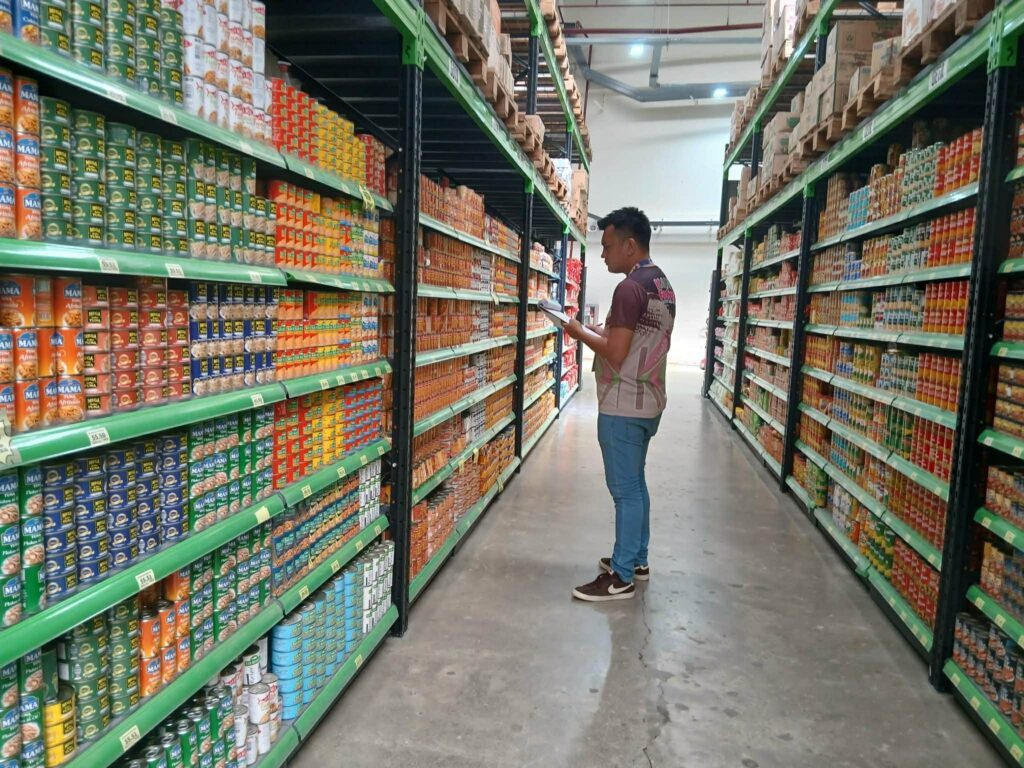
The DTI is stepping up price monitoring as fuel costs continue to affect transportation, production, and the movement of basic goods across the Philippines.
Fuel prices have become an important concern for Filipino consumers again, and the effects can extend beyond the gas station.
After several weeks of significant increases in petroleum prices, the Department of Trade and Industry (DTI) ordered its offices nationwide to intensify monitoring of prices of basic commodities in groceries, supermarkets, and other markets.
The move is intended to make sure businesses do not use higher fuel costs as a reason to impose unjustified price increases on essential goods. The DTI said it has not found it necessary to impose price caps on basic commodities at this point.
While fuel prices do not directly determine the price of every product on store shelves, they can influence several parts of the supply chain.
Why Fuel Prices Can Affect Everyday Goods
Almost everything consumers buy has to be transported at some point.
Food, household supplies, personal care products, construction materials, and other goods may travel from farms and factories to warehouses, markets, supermarkets, and eventually consumers.
Higher fuel costs can therefore increase transportation and delivery expenses for businesses.
Fuel is also an operating expense for many companies, from manufacturers using fuel-powered equipment to small businesses that rely on vehicles for deliveries.
When these costs rise, businesses may eventually face pressure to adjust their prices.
However, that does not necessarily mean every product should immediately become more expensive.
The DTI has emphasized that it is monitoring prices precisely to determine whether increases are reasonable and supported by actual cost movements.
The DTI Is Watching Basic Commodities
The agency has instructed its offices across the country to strengthen price monitoring in groceries, supermarkets, and other markets.
The goal is to ensure that essential goods remain reasonably priced and that businesses do not take advantage of the fuel situation to impose artificial increases.
The DTI has also warned businesses, manufacturers, and retailers against manipulating prices. Violations may be subject to penalties under existing consumer protection laws.
For consumers, this means a higher fuel price alone should not automatically be treated as a reason for a sudden increase in the price of every basic commodity.
What About the Recent Fuel Price Rollback?
There is also some relief for motorists.
Starting September 29, the Department of Energy implemented a price rollback of ₱7.57 per liter for diesel, ₱5.85 for kerosene, and ₱0.24 for gasoline. The reductions are scheduled to remain in effect through October 5.
The rollback followed three consecutive weeks of increases. Before the latest reduction, diesel prices had risen by a cumulative ₱18.31 per liter during September, while kerosene increased by ₱16.67 and gasoline by ₱15.25, based on Department of Energy figures.
That means the latest cuts provide some relief, but they come after a substantial run-up in fuel costs.
Will Grocery Prices Go Down Too?
Not necessarily — and probably not immediately.
Fuel is only one of many factors that determine the final price of a product.
Businesses also have to account for raw materials, labor, electricity, rent, packaging, taxes, storage, and other operating costs.
Even when fuel prices decline, businesses may not immediately reduce retail prices because the lower transportation cost represents only one part of their overall expenses.
The same principle works in reverse. A temporary fuel increase does not automatically justify a corresponding increase in the price of every product.
This is why monitoring matters.
What Consumers Can Do
For Filipino households, the best approach is to keep an eye on prices rather than assume that every increase is unavoidable.
Consumers can:
- Compare prices between stores before buying regularly purchased goods.
- Check receipts to spot unexpected changes in prices.
- Watch official price advisories from government agencies.
- Be cautious of unusually large price increases that are not explained by changes in supply or costs.
- Report suspected unfair pricing or other consumer violations through the appropriate government channels.
The DTI continues to monitor the prices and supply of basic necessities and prime commodities as fuel costs affect the broader market.
For now, the latest fuel rollback offers some breathing room for motorists and businesses. But with fuel prices remaining volatile, consumers can expect the government to continue watching how changes in energy costs filter through the supply chain.
For households, the takeaway is simple: a change at the gas station does not automatically mean a change on every grocery shelf. The real question is whether the increase — or decrease — is actually being reflected across the supply chain.