
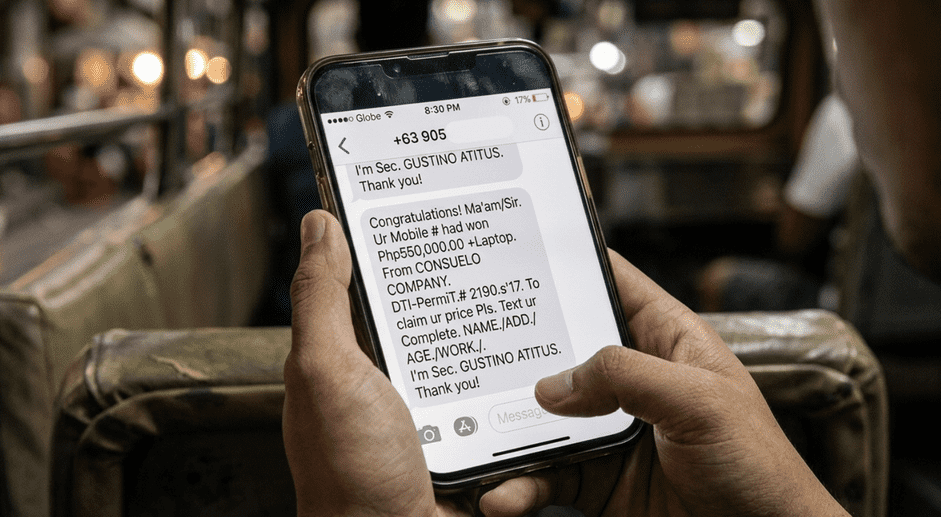
Digital financial scams in the Philippines have reached an unprecedented level. According to the 2024 Asia Scam Report by the Global Anti-Scam Alliance (GASA) and ScamAdviser, Filipinos lost approximately ₱460 billion to online fraud over a 12-month period, with each victim losing an average of ₱16,000. Despite government measures—including mandatory SIM card registration and the passage of the Anti-Financial Account Scamming Act (AFASA)—criminals continue to find ways to reach e-wallet users directly through text messaging.
Four out of five scams trick unsuspecting victims by embedding malicious website links inside ordinary text messages. When clicked, these links direct users to fake sites designed to steal sensitive account details, passwords, and personal data to siphon off funds.
To protect your GCash, Maya, and online bank accounts, here are five major red flags every e-wallet user must recognize—and the essential steps to stay safe.
5 Red Flags to Watch Out For
1. The Message Comes from an Ordinary 11-Digit Mobile Number
Legitimate financial institutions and corporate services generally send transactional alerts through official, branded sender IDs (such as the company’s name) or dedicated short codes. If an urgent security alert or promo comes from a standard 11-digit prepaid mobile number (e.g., 0917-XXX-XXXX), it is almost certainly a scam.
2. Embedded Web Links Leading to Third-Party Sites
The vast majority of text scams rely on clickable web links. Scammers mimic official e-wallet domain names or use URL shorteners to trick you into entering your login credentials or OTPs (One-Time Passwords) on phishing sites.
Rule of Thumb: Official app updates and account verifications should never be done through a text link. Always check the Google Play Store or Apple App Store directly for updates, or log in via your official installed app.
3. “Too-Good-To-Be-True” Offers, Raffles, and Unsolicited Job Offers
Scams frequently exploit urgency or excitement. Messages offering high-paying work-from-home jobs, unverified raffle prizes, cash pabuya, or exclusive discounts are designed to make you act hastily before double-checking the source.
4. Personalization Tricks (Messages That Include Your Name)
Do not assume a text is legitimate simply because the sender knows your name. Scammers frequently use harvested data to insert your recipient name into text templates to make their fraudulent offers appear authentic.
5. Urgent Demands for App Updates or Verification
Scammers often pose as online banks or e-wallet providers claiming that your account will be blocked unless you verify your identity or update your app immediately. Legitimate institutions will not pressure you via SMS links to prevent account suspension.
What to Do If You Receive a Scam Text
If a suspicious message lands in your inbox, follow this simple protocol recommended by safety guidelines and the National Telecommunications Commission (NTC):
- Do Not Engage: Never reply or click any links embedded in the message. Interacting lets scammers know your number is active, leading to further targeted attempts.
- Take a Screenshot: Capture a clear photo or screenshot displaying the scammer’s mobile number and the exact message text.
- Report the Incident: Submit your report to the NTC to help build tracking records against fraudulent numbers:
- Email: Send the details, screenshot, and a copy of a valid government ID to [email protected].
- Web Portal: File a direct complaint form at the official NTC website (ntc.gov.ph).
- NTC Hotlines: +632 8920 4464 | +632 8926 7722 | +632 8921 3251 (Mon–Fri, 8 AM–5 PM).
- Block and Delete: Permanently block the sender number and delete the text thread so household members or children using your phone do not accidentally tap the malicious link.
The Bottom Line: Your Security Is in Your Hands
While stronger regulatory laws like AFASA and mandatory SIM registrations provide legal backstops against financial cybercrime, security ultimately begins with everyday consumer habits. Scammers rely heavily on hasty decisions, fear, or irresistible offers to bypass digital safety measures.
Before tapping on any link or sharing sensitive account details, pause and verify. Remember the fundamental rule of digital financial safety: if an offer sounds too good to be true, or if a message creates unnecessary panic, it is almost certainly a scam. Protect your hard-earned funds by staying informed, double-checking every request, and reporting suspicious activity immediately.