
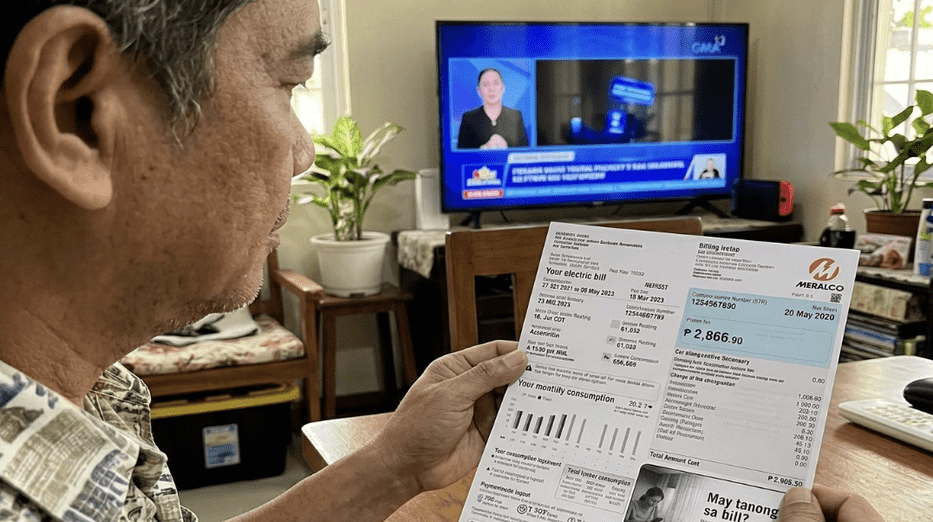
With the Philippines preparing for a potentially very strong El Niño, keeping electricity costs under control may become even more important for Filipino households. PAGASA warns that the weather phenomenon could persist into the first half of 2027, bringing hotter conditions and below-normal rainfall to many parts of the country. Meralco has also warned that rising electricity demand could put upward pressure on power prices.
For many families, this could mean running air conditioners and electric fans more often just to stay comfortable. But before your next Meralco bill arrives, understanding what you’re paying for—and which habits you can change—can help you prepare.
Where Does Your Money Go?
Your Meralco bill covers more than the electricity you consume. It includes the cost of generating power, delivering it to your home, maintaining the distribution network, and paying applicable taxes and other charges.
Here’s an illustrative breakdown of the major components:
- Generation charge (around 64%) – Pays for electricity sourced from power producers. Fuel costs, exchange rates, and market prices can influence this portion.
- Distribution charge (around 12%) – Covers the operation and maintenance of the local electricity distribution network.
- Other charges and taxes (around 11%) – Includes applicable taxes, subsidies, and government-mandated charges.
- Transmission charge (around 8%) – Covers the delivery of electricity through the high-voltage transmission network.
- System loss charge (around 5%) – Recovers allowable costs associated with electricity lost within the power system.
These percentages are estimates, not fixed rates for every household. Actual charges vary by billing period.
The generation charge is especially worth watching during periods of high electricity demand. When hotter weather pushes consumption up and available power supply becomes tighter, prices in the wholesale electricity market may also rise. This means households could face pressure from both increased usage and changing electricity rates.
Practical Ways to Lower Your Electricity Bill
You can’t control the weather or global fuel prices, but you can take steps to manage your household’s electricity consumption.
1. Use Your Air Conditioner Wisely
Air conditioning can account for a large share of electricity use during hot weather. Try setting your unit to a comfortable temperature, such as 24°C to 25°C, if suitable for your household. Clean the filters regularly, close doors and windows while cooling the room, and use curtains to reduce direct sunlight.
2. Make Your Electric Fans More Efficient
If you use fans throughout the day, consider energy-efficient models, including DC fans. Clean the blades regularly and improve airflow by positioning fans strategically. When outdoor conditions permit, open windows to encourage natural ventilation and reduce your reliance on air conditioning.
3. Switch Off Appliances You Don’t Need
Some appliances consume electricity even when you’re not actively using them. Unplug suitable devices, such as water dispensers with heating or cooling functions, when they’re not needed and when the manufacturer’s instructions allow it. Turn off compatible TV boxes and other electronics before going to bed.
4. Use Your Refrigerator More Efficiently
Avoid leaving the refrigerator door open while deciding what to get. Organize food so frequently used items are easy to reach, check the door seals, and follow the manufacturer’s recommended temperature settings. Small habits can help reduce unnecessary energy use over time.
5. Monitor Your Monthly Consumption
Check your electricity bill each month and compare your kilowatt-hour consumption, not just the peso amount. This helps you determine whether an increase comes from using more electricity, a change in rates, or both.
Also, check whether your household qualifies for the government’s Lifeline Rate program, which provides discounts to eligible low-income electricity consumers subject to current requirements.
Remember: Potential savings vary depending on appliance efficiency, household routines, and applicable electricity rates. No particular amount of savings is guaranteed.
Prepare Before the Heat and the Bill Arrives
The Super El Niño forecast is a reminder that managing household expenses takes preparation. As hotter and drier conditions potentially increase demand for electricity, simple habits can help families avoid unnecessary consumption and make their budgets go further.
Start with the appliances you use most, pay attention to your monthly kilowatt-hour usage, and make energy-saving practices part of your daily routine.
You may not be able to control electricity prices or the weather, but you can take steps to control how much power your household uses. When every peso counts, understanding your Meralco bill is not just about knowing where your money goes—it’s about making smarter decisions before the next bill arrives.